
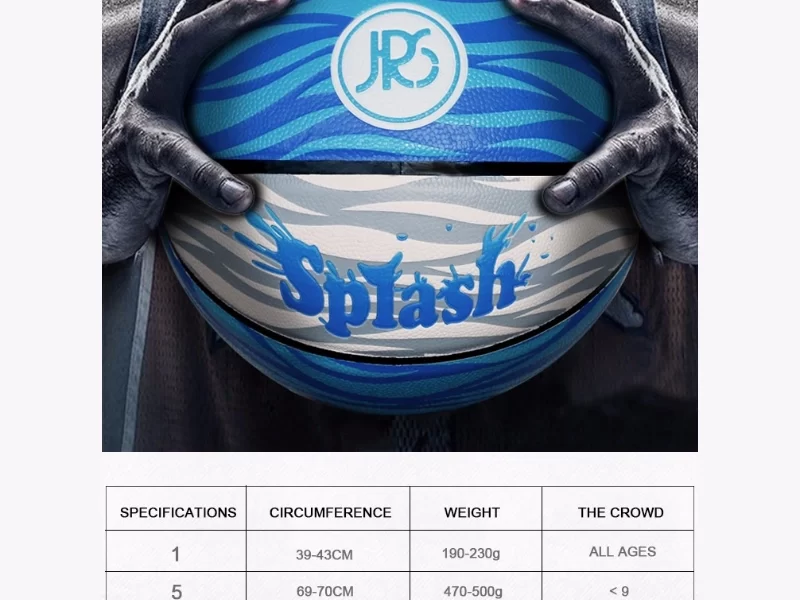
— A B2B Buyer’s Guide for Brands, Wholesalers, and Sports Programs
Choosing the right basketball size is not just a technical decision—it is a commercial decision that directly affects user experience, market acceptance, inventory turnover, and brand reputation.
For basketball brands, wholesalers, distributors, schools, and clubs, selecting the correct basketball size for your target market is a critical step in building a successful product line.
In this guide, Normansport explains how to choose the right basketball size from a B2B perspective, helping buyers match age groups, gender standards, usage scenarios, and regional market demand.
Why Basketball Size Matters in the B2B Market
For end users, basketball size affects grip, control, and shooting comfort.
For B2B buyers, basketball size impacts:
- Product positioning and SKU planning
- Compliance with league and school standards
- Return rates and customer satisfaction
- Bulk purchasing efficiency
- Brand professionalism and trust
Selecting the wrong size for a market can lead to slow sales, mismatched inventory, and lost contracts, especially in institutional or wholesale orders.
Standard Basketball Sizes Explained
Basketballs are globally categorized by size, weight, and circumference. The most commonly used sizes in the market are Size 5, Size 6, and Size 7.
Size 5 Basketball
- Circumference: approx. 27.5 inches (70 cm)
- Weight: approx. 470–500 g
- Typical users:
- Children aged 8–11
- Youth training programs
- Primary schools and academies
B2B market applications:
- School procurement
- Youth leagues
- Training basketballs
- Promotional basketballs for kids’ events
Size 5 basketballs are popular in education-focused markets and often ordered in large quantities for institutional use.
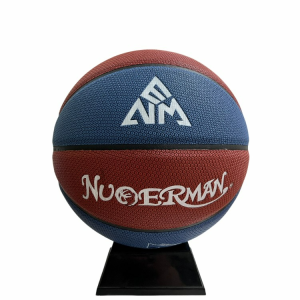
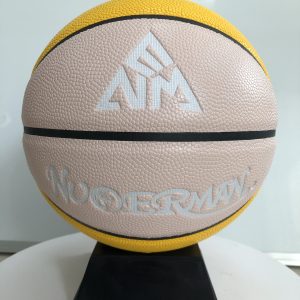
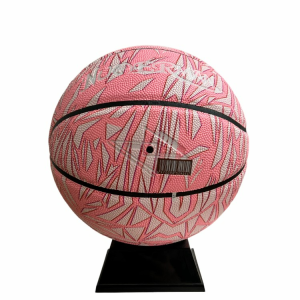
Size 6 Basketball
- Circumference: approx. 28.5 inches (72 cm)
- Weight: approx. 510–567 g
- Typical users:
- Women players
- Youth aged 12–14
- Intermediate training levels
B2B market applications:
- Women’s leagues and clubs
- Middle schools and high schools
- Training and competition use
- Retail markets targeting female players
Size 6 basketballs are the official standard for women’s competitions in many regions, making them essential for brands serving women’s sports markets.
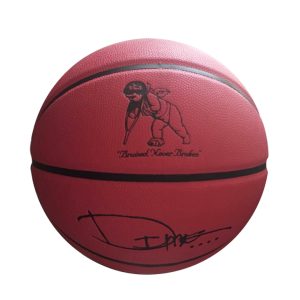
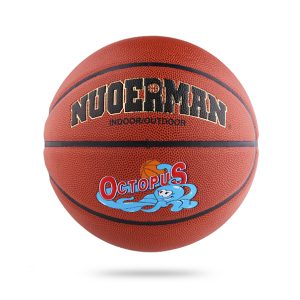
Size 7 Basketball
- Circumference: approx. 29.5 inches (75 cm)
- Weight: approx. 600–650 g
- Typical users:
- Adult men
- Professional and competitive players
B2B market applications:
- Men’s leagues and clubs
- Professional tournaments
- Sports retailers
- Brand flagship products
Size 7 basketballs are the most widely recognized professional standard, often associated with premium materials and higher pricing.

How to Choose the Right Basketball Size for Your Target Market
Instead of choosing based on preference alone, B2B buyers should evaluate basketball size from four strategic dimensions.
1. Define Your End User Clearly
Before placing an order, identify who will actually use the basketballs:
- Schools → Size 5 or Size 6
- Youth training programs → Size 5
- Women’s clubs → Size 6
- Men’s leagues or professional use → Size 7
Clear user definition helps avoid overstocking and ensures product-market fit.
2. Consider Regional and Market Standards
Basketball size demand can vary by region:
- North America & Europe:
Strong demand for Size 7 (men) and Size 6 (women) - Asia & Emerging Markets:
Higher volume demand for Size 5 and Size 6 for training and schools - Institutional buyers:
Often require sizes that comply with official federation standards
Understanding your regional sales channels helps optimize size allocation.
3. Match Size with Usage Scenario
Basketball size should align with how the ball will be used:
| Usage Scenario | Recommended Size |
|---|---|
| Youth training | Size 5 |
| School PE classes | Size 5 / Size 6 |
| Club training | Size 6 / Size 7 |
| Official competitions | Size 6 (women) / Size 7 (men) |
| Promotional giveaways | Size 5 or customized sizes |
For wholesale buyers, this step is critical in building balanced product lines.
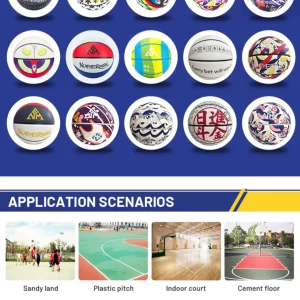
4. Combine Size with Material and Customization Strategy
Basketball size should not be considered alone. It must align with:
- Material selection (rubber, PU composite, microfiber, leather)
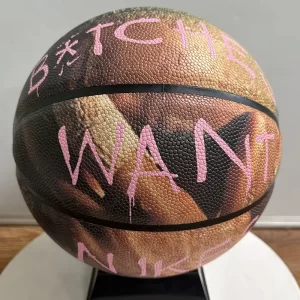
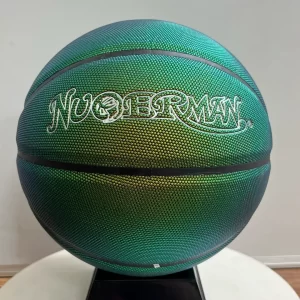
- Customization needs (logo printing, color design, packaging)
- Budget and pricing strategy
For example:
- Size 5 rubber basketballs are ideal for schools and promotions
- Size 6 PU composite basketballs fit women’s clubs and training
- Size 7 microfiber basketballs are preferred for premium markets
This combination approach improves competitiveness and margin control.
Common Mistakes B2B Buyers Should Avoid
Choosing size based only on personal preference
- Ignoring official competition standards
- Stocking only Size 7 and missing youth or women’s markets
- Not aligning size with material durability and cost
- Overlooking customization requirements in bulk orders
- Avoiding these mistakes can significantly improve purchasing efficiency.
How Normansport Supports B2B Buyers
As a professional custom basketball manufacturer, Normansport helps global buyers choose the right basketball size through:
- Market-oriented size recommendations
- OEM and ODM customization services
- Flexible MOQ for wholesale orders
- Consistent quality control across all sizes
- Support for schools, clubs, brands, and distributors
Whether you are building a full basketball product line or sourcing for a specific project, we provide practical guidance from manufacturing to market.

Conclusion: Size Is a Strategic Decision, Not a Detail
Choosing the right basketball size is a foundational step in serving your market successfully.
For B2B buyers, the right size selection improves sales performance, customer satisfaction, and brand credibility.
By aligning basketball size with target users, regional standards, usage scenarios, and customization strategies, brands and wholesalers can build a competitive and scalable basketball business.
If you need professional advice on basketball size selection or custom manufacturing solutions, Normansport is ready to support your next project.